

James Harris and the 2026 Conversation About What Craft Still Means
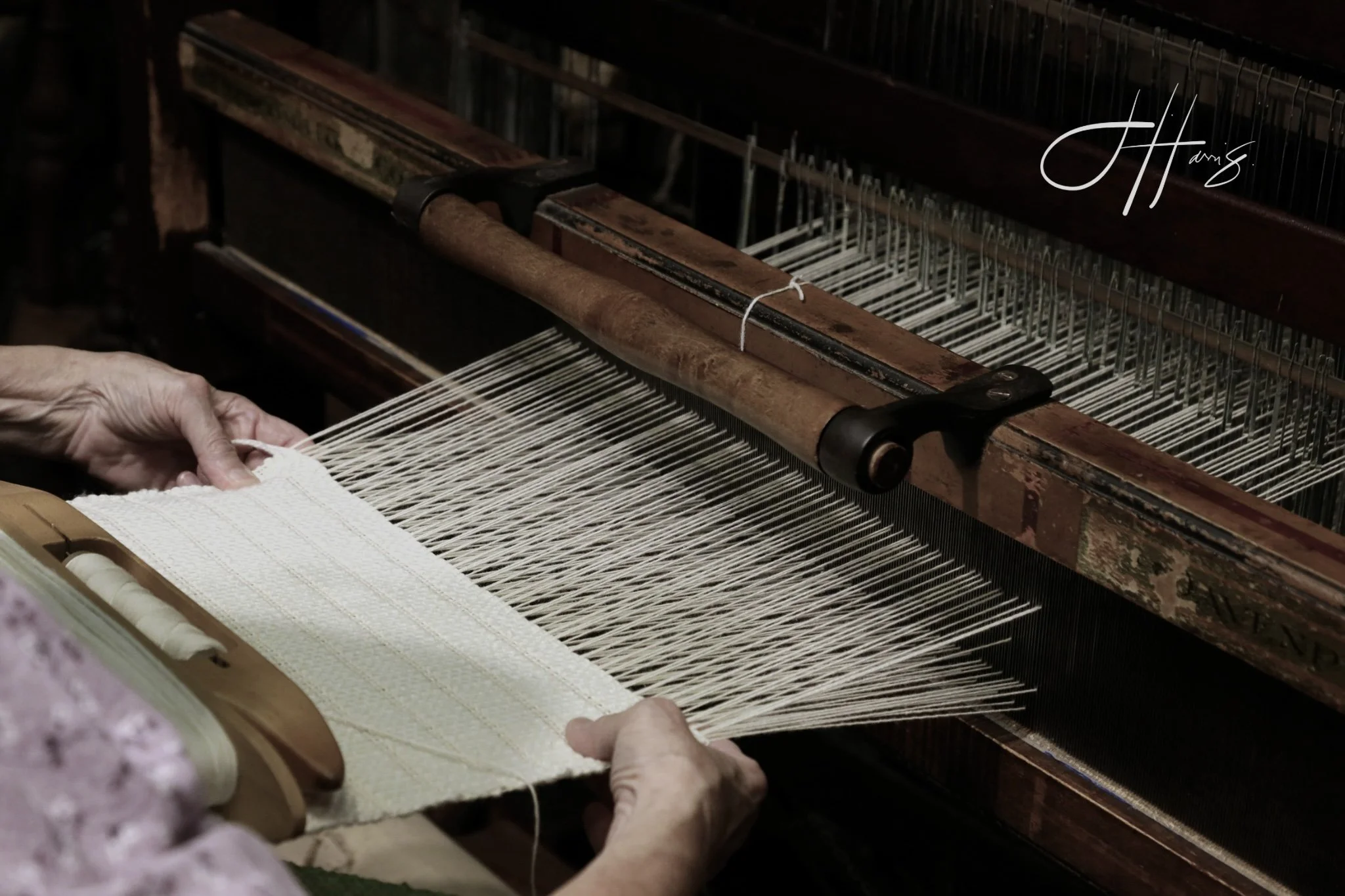
In 2026, “craft” is one of those words you hear everywhere and trust almost nowhere. It’s in ad copy, playlist blurbs, merch drops, and brand decks. But when you actually dig into how a lot of music is made, the term often boils down to “this didn’t completely fall out of a loop pack.” James Harris is operating at the opposite end of that spectrum.
The guitarist, composer, and producer behind VOL II: KURATA doesn’t talk about craft much; he just behaves as if it still matters. Not in the nostalgic, analog‑fetish way, and not in the “watch me squeeze 64 notes into this bar” way either. His version of craft is quieter and more old‑fashioned: knowing where a song starts, where it should end, and what belongs in the space between.
You can hear it in his origin story. Harris didn’t arrive via overnight virality. He came up the long way: two guitars in a school music room, writing joke songs with a friend, turning that into two bands, four albums, and tours across the U.K. and Europe. That kind of mileage doesn’t guarantee quality, but it does tend to produce a specific sensibility. When you’ve hauled your gear into enough venues, you learn what works when the monitors are bad and the crowd is cold. You also learn how little room there is, onstage and in a setlist, for flab.
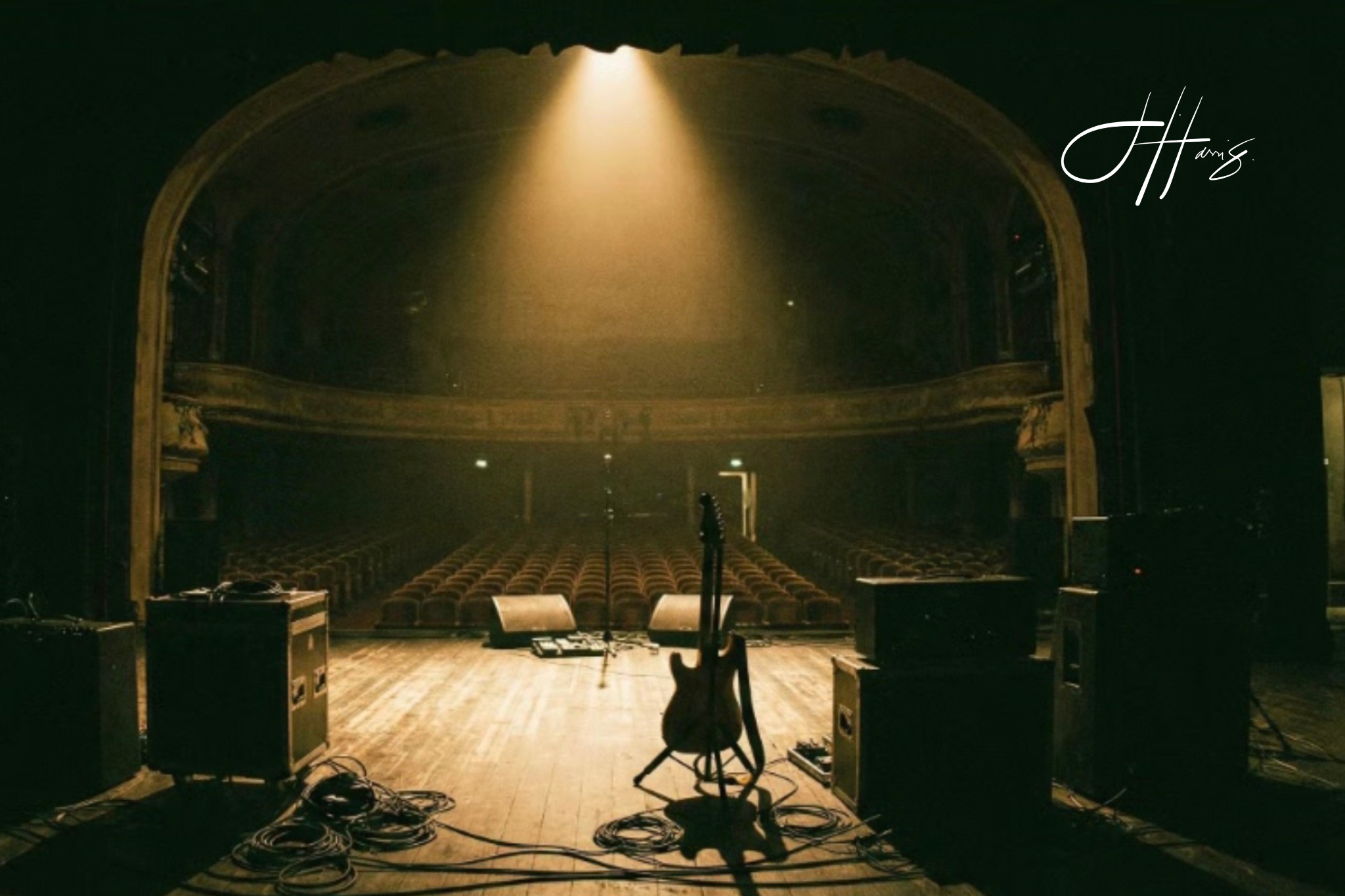
On VOL II: KURATA, that live-earned ruthlessness shows. Guitar parts are rarely ornamental. They carry weight: harmonic, rhythmic, emotional. Verses get only what they need to support the vocal; pre‑choruses tighten, not because “that’s what this genre does,” but because tension has to go somewhere. Choruses open out with a sense of inevitability rather than surprise. Nothing feels random. You get the impression that every extra layer had to argue for its place.
In the broader 2026 conversation, this is quietly radical. The dominant production culture encourages maximalism at the front end and indifference at the back: throw a lot of sounds at a grid, find the hook, let the algorithm tell you what sticks. Harris works from the opposite direction. His parts sound like they were written to survive soloed playback in a dry room before they ever met reverb or compression. They can stand there, naked, and still make sense.
That extends to his approach to influence. Asked who shaped him, he doesn’t rattle off a mood board of approved names. He talks about having studied “every style out there” in order to find his own sound and about acoustic music as the most honest way of writing. It’s a simple point, but an unfashionable one: that the job isn’t to sound like your influences; it’s to metabolise them until they’re untraceable.
This is where Harris’ partnership with Hinabi Privé and co‑composer Pat Villaceran becomes a useful lens on craft rather than a distraction from it. The Hinabi universe is aggressively contemporary — polymathic, multidisciplinary, obsessed with ARCS and experiences and membership models. It would be easy for the music to become an accessory to that complexity, a soundtrack designed to flex production value while everything else happens around it.
Instead, Harris treats the brief as an opportunity to tighten his practice. The albums are “Volumes,” not in the sense of interchangeable playlists, but in the literal sense of chapters: discrete but connected, aware of what came before. KURATA, especially, is structured like a three‑act film. That architecture didn’t appear by accident. It required someone to keep track of keys, motifs, dynamics, and emotional beats over the length of 12 songs plus epilogues, and to make sure nothing important got buried under concept.
In interviews, he downplays the technology around this — jokes that Pat understands algorithms and he’s “too old.” That makes for a good line, but it hides something subtler. Harris is not anti‑tech. He uses modern DAWs, remote tools, and cloud platforms like everyone else. The difference is that he refuses to let those tools dictate his taste. The production on VOL II sounds current because it’s clean and cinematic, not because it’s chasing any of 2026’s loudest mix trends. The guitars aren’t scooped within an inch of their lives. The drums are present but not brick‑walled. Space is treated as a resource, not a flaw.

If there’s a single sentence that sums up his stance, it might be the advice he gives younger artists: “Keep writing, keep playing, and do what feels/sounds right to you.” It’s almost offensively straightforward. But placed against a backdrop where “strategy” often arrives long before “song,” it reads as a quiet manifesto. In Harris’ world, craft is what you do when nobody is looking, long before a track ever touches a feed.
This is what makes him relevant to the larger 2026 conversation about what craft still means. It’s not that he’s reinventing the guitar or refusing every modern pressure. It’s that, inside a highly mediated, concept‑heavy ecosystem, he is insisting on some old basics: parts you can play, songs you can carry on a stage, arcs you can feel without needing a thread explainer. Technique is assumed, not advertised. Taste is the real flex.
In a year where much of the discourse around music is about formats, platforms, and attention hacks, James Harris is a reminder that there’s still another axis worth measuring: how seriously you take the work itself. VOL II: KURATA suggests he takes it very seriously. The record doesn’t shout about that fact. It doesn’t have to. The decisions are on tape.
