

Why VOL II KURATA Feels More Like a Novel than a Guitar Album
VOL II: KURATA is the kind of record that makes you question whether “guitar album” is still a useful category. The instrument is everywhere, but it’s never the point the way it is on a chops‑showcase release. Instead, guitarist‑composer James Harris treats the guitar the way a novelist treats point of view: as a way of deciding how you experience the story, not just what happens in it.
Most guitar records divide themselves into familiar modes. There’s the virtuoso memoir — long solos, dense harmonic detours, a lot of “listen to what my hands can do.” There’s the riff anthology — a string of hooks strong enough to build a tour on, loosely connected by tone and tempo. VOL II: KURATA doesn’t live in either camp. Its closest relatives are long‑form books where each chapter is self‑contained but only really lands if you’ve read what came before.
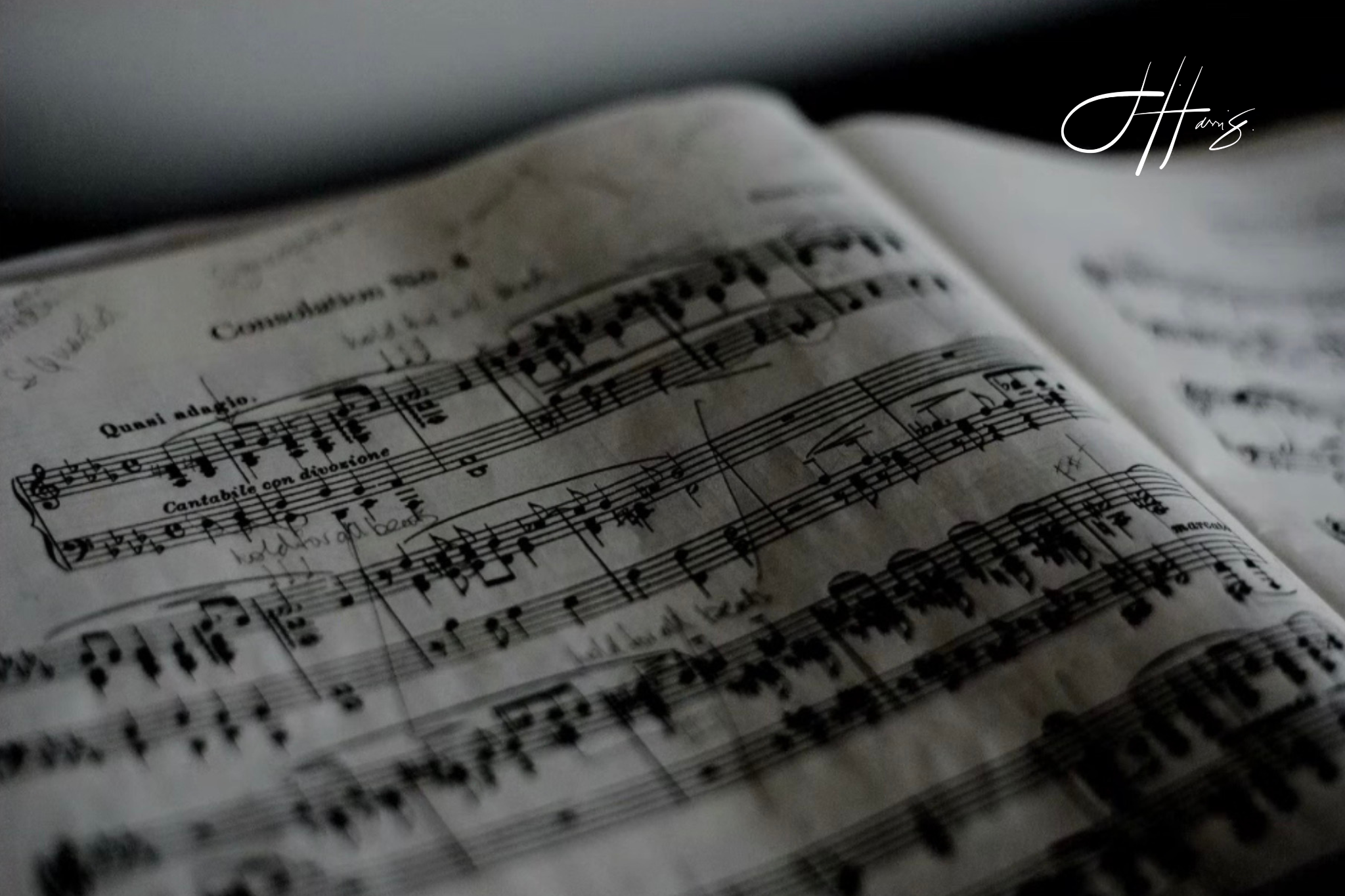
Harris makes that clear from the opening stretch. “BUTTERFLIES,” with its Bond‑coded atmosphere and quietly coiled tension, functions like a prologue rather than a single. The guitar isn’t shouting; it’s defining the room. Chord choices and voicings carry hints of unease, like foreshadowing on the first page of a novel. You don’t know the characters yet, but you can sense the ending won’t be clean.
Across the album, his guitar writing behaves less like a series of licks and more like recurring motifs attached to emotional states. Certain kinds of wide, suspended voicings show up when the story is hovering between denial and acceptance. More angular, clipped figures tend to appear around moments of rupture. When the record edges toward hope, his lines open out — not by playing faster or higher, but by allowing more air between notes, more space for what the vocals are trying to say.
“RENEGADE” is a good example of how this works in practice. The song reads as a rock ballad on the surface, but listen to the way Harris paces his entrances. The verse guitars sit almost apologetically low, as if they’re walking on eggshells around the lyric. The pre‑chorus tightens, adding just enough overdrive and rhythmic insistence to make you brace. Then the chorus lands, and the guitars finally stand up straight. It’s not just dynamics; it’s character development. The instrument is tracking the narrator’s willingness to tell the truth.
Even on the more immediately gratifying cuts like “DRAMA” and “LUNA,” Harris refuses the temptation to turn the guitar into a lead character who dominates every scene. “DRAMA” could easily have been a platform for soloing; instead, the guitars behave like structural beams, holding up large, melodic spans without demanding attention for their own sake. The satisfaction comes from how the parts interlock, not from any single display of technique. “LUNA” does something similar at a higher tempo: the rhythm work is intricate enough that a musician could spend time dissecting it, but the average listener just feels propelled, carried forward along the arc.

Part of why the album feels novelistic is the way Harris handles continuity. Tone and treatment evolve over the course of the record in a way that mirrors the emotional arc. The early tracks lean darker and more saturated, with less high‑end sheen, like scenes lit by street lamps and televisions. As the narrative moves into its rebuilding phase, the guitar sound sharpens and brightens, mirroring a kind of psychological clarity. By the time you reach the closing stretch — “WOLFIE,” “DARLING,” and the bonus epilogues — there’s a noticeable warmth and openness in the tone itself. It’s as if the narrator has stepped out of a cramped apartment into daylight.
That sense of progression isn’t an accident. Harris builds his parts with a long view that most guitar albums frankly don’t bother with. Instead of treating each track as a separate canvas, he seems to be thinking in terms of a series: this progression here will resonate with that turnaround four songs later; this delay texture will echo a motif that hasn’t shown up yet. It’s the musical equivalent of planting an image in chapter three that only reveals its significance in chapter eleven.
Crucially, none of this means the record is dry or cerebral. Harris clearly comes from a live background, and you can hear it in the way his parts sit against the drums. There’s a physicality to the playing — little pushes and pulls against the grid, micro‑timing choices that keep the tracks from feeling programmed even when some elements are. But that live energy is always serving narrative time, not stage time. He isn’t lining up moments that will blow up on TikTok; he’s lining up payoffs that only arrive if you stay with the story.
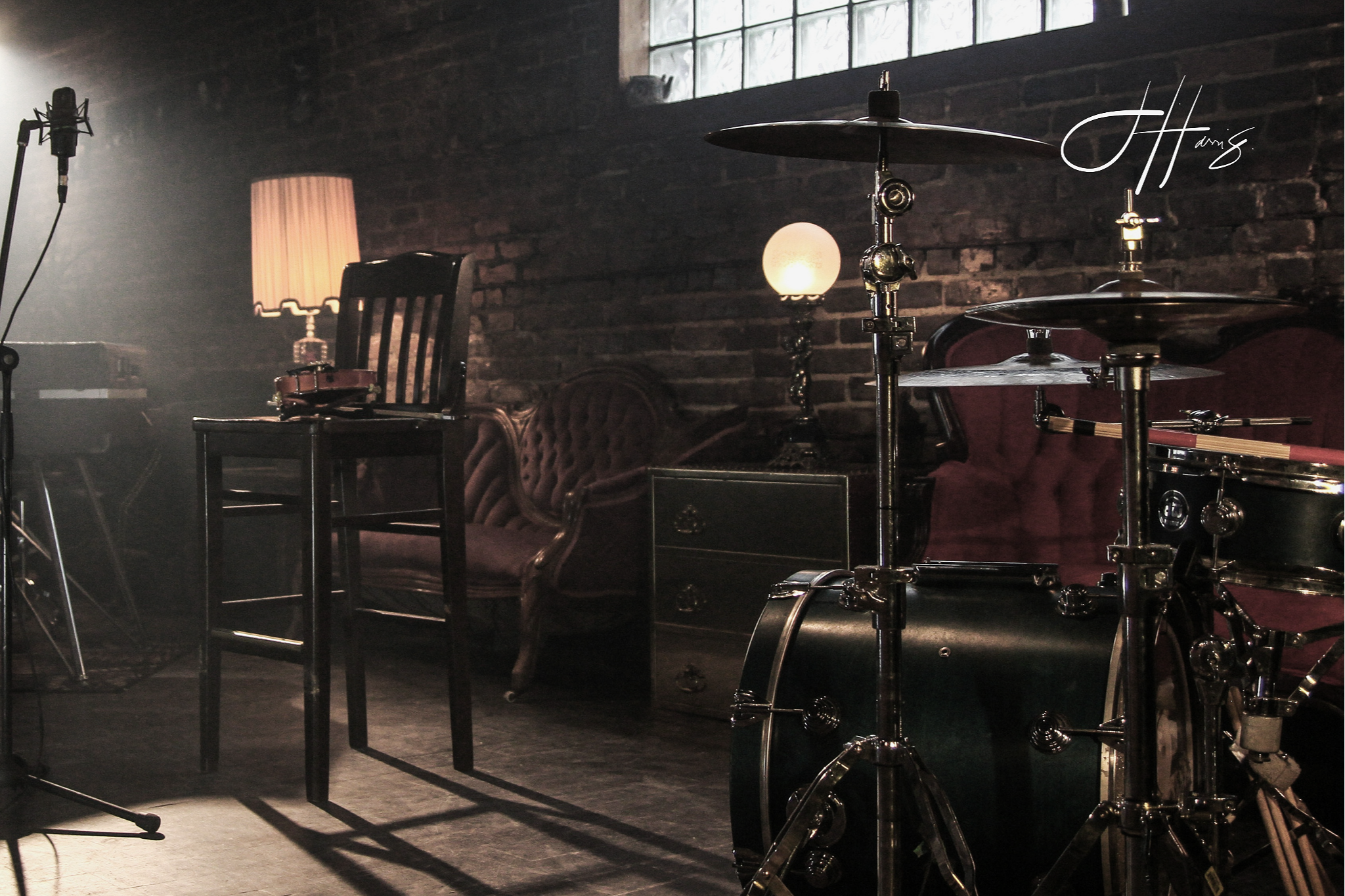
The title track, “KURATA,” is where his novelist instincts are most obvious. The song sits at the centre of the album like a thesis chapter, stitching together Asian‑inflected progressions with the record’s broader cinematic rock palette. Lesser guitarists might have treated those progressions as exotic seasoning. Harris folds them in as structural material, using them to tilt the emotional axis of the whole record. The result is a piece that feels both rooted and expansive: specific enough to belong to one world, wide enough to carry anyone’s heartbreak.
What’s impressive is how rarely he resorts to cliché to get that across. There are very few stock “emotional” moves — no gratuitous tremolo bar dives at the big moments, no predictable “everything drops out, here comes the solo” sections. When he does step forward, it’s because the narrative needs a voice that can say something the lyric can’t. Those brief, singing lines function like interior monologue in a novel: the moment you’re pulled out of the scene and into the character’s head.
All of this is amplified by the way Harris’s guitar language interacts with the rest of the Hinabi Privé universe. This isn’t a bedroom project or a session‑player flex; it’s one of the pillars of a broader cultural house that builds live “ARCs,” multisensory nights where music, food, and narrative are choreographed together. Harris writes as if he knows these songs will be walked through, not just streamed. His parts leave room for a room — for voices, glasses, footsteps, even the silence between one chapter of a night and the next. That sense of spatial awareness pushes the record even further away from the closed world of the classic guitar album and closer to the open ecology of a novel, where setting is as important as plot.
None of this is to say that fans of guitar music won’t find plenty to obsess over here. They will. The voicings alone reward repeat listening, and there’s a quiet confidence in the way Harris refuses to overplay that many players could stand to learn from. But if you go into VOL II: KURATA expecting a catalogue of riffs and solos, you’ll miss what makes it special. This isn’t a monologue. It’s long‑form fiction written in chords, textures, and recurring phrases.
By the time “DARLING” signs off, you’re left with the feeling you get after finishing a good book: not just that you’ve heard a story, but that you’ve lived with a particular way of seeing the world for a while. The guitar was your narrator. The fact you didn’t notice it most of the time is exactly why the record works.
