

James Harris Official Guide to DRAMA, VOL II KURATA and Beyond
James Harris’s guide to this era starts with one idea: he is the guitar and the sound‑builder of DRAMA and VOL II KURATA, turning someone else’s words into songs that hit in your chest first, brain second.
1. DRAMA: Where the Guitar Leads
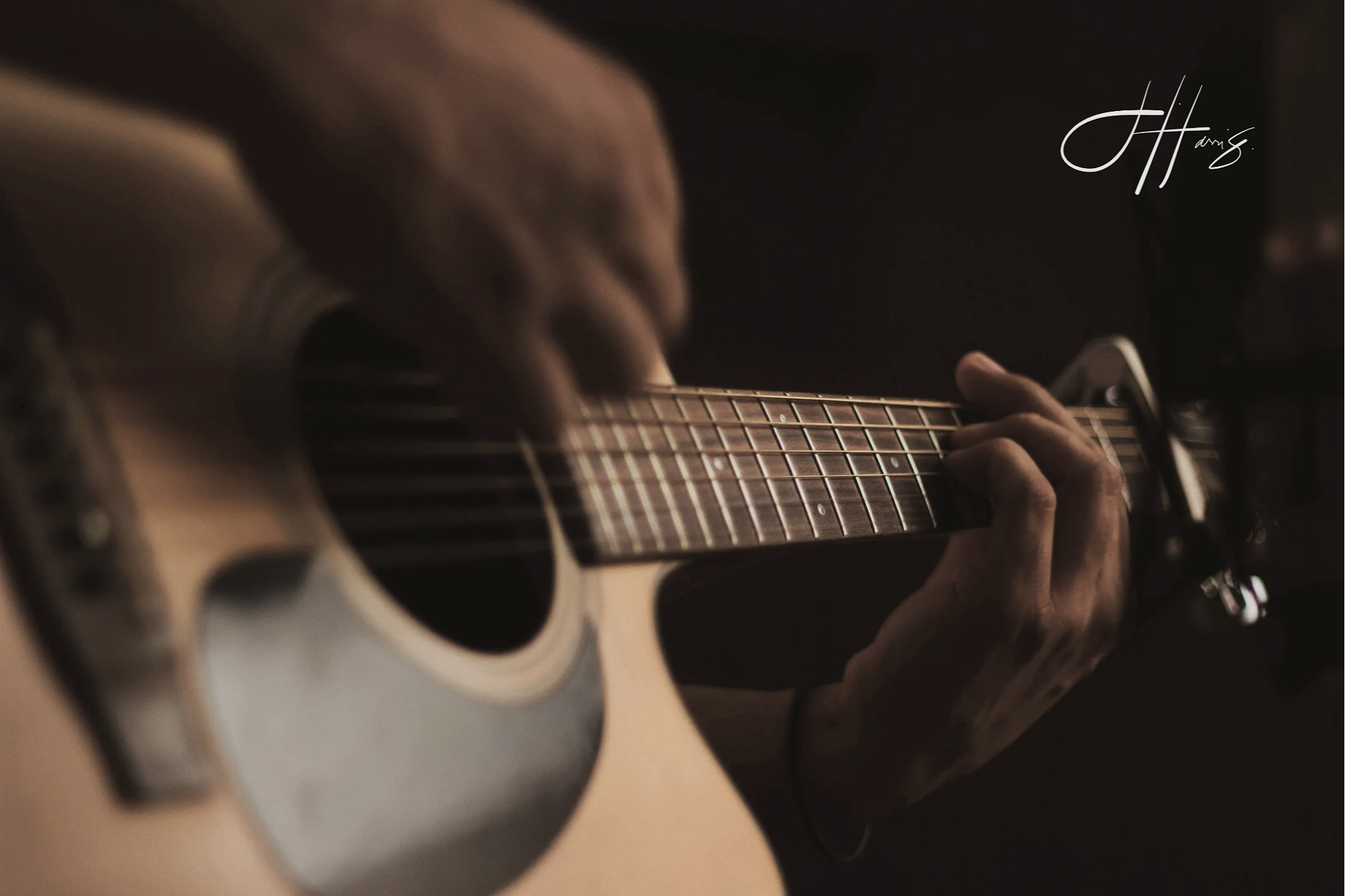
On “DRAMA,” the lyric and topline come from the writer’s pen, but the emotional contour is driven by James’s guitar: tight verse patterns, tension‑building pre‑chorus movement, and a chorus lift that feels like a door blowing open.
His parts are written to be singable even without vocals—hooks in the chord changes and riffs—so if you muted the topline, the guitar would still tell you when the story turns from trapped to breaking free.
2. VOL II KURATA: The Soundworld
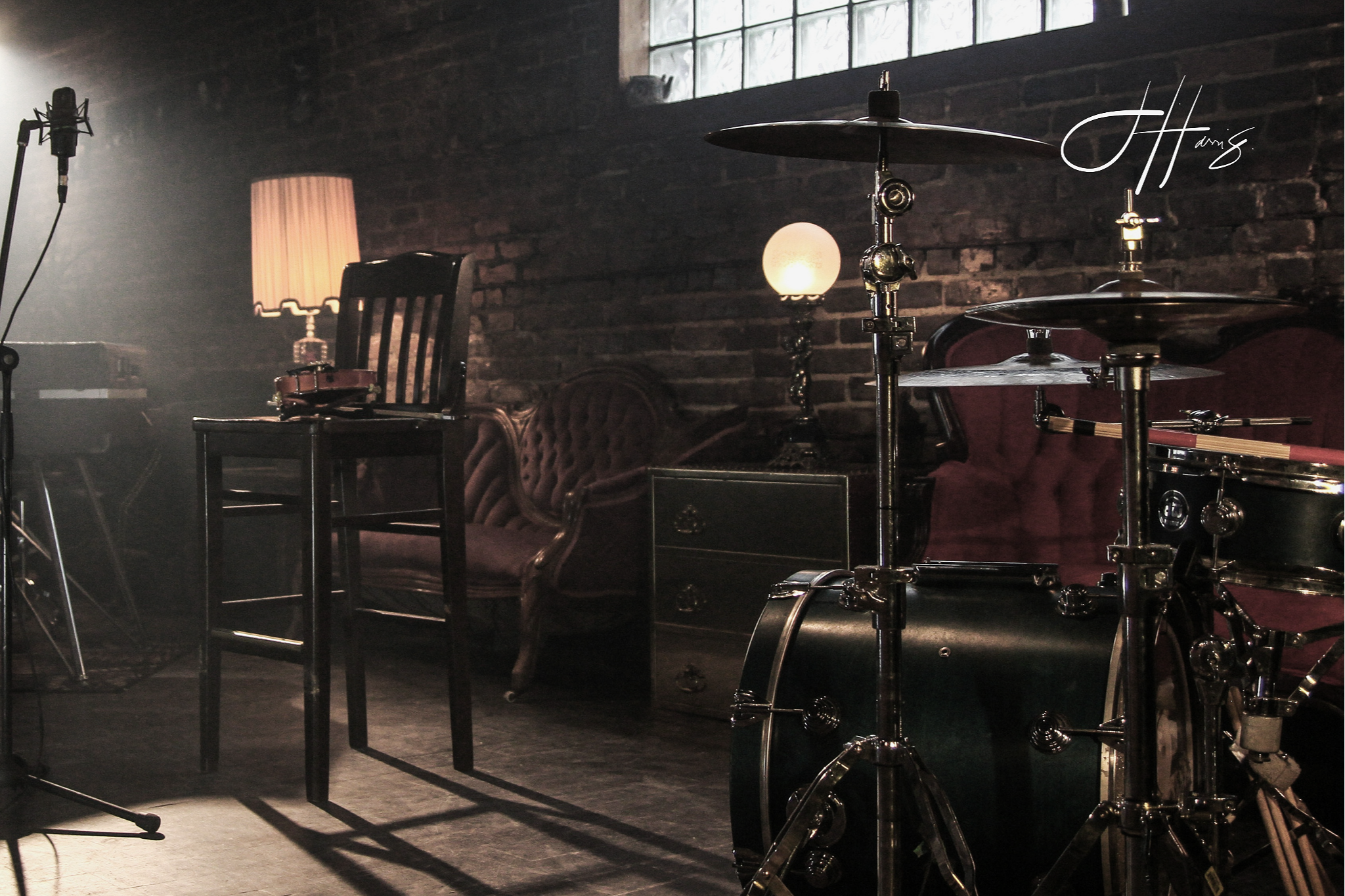
VOL II KURATA scales that approach across the record: lyrics and melodies describe the story, while James designs the harmonic spine, riffs, and rhythmic feel that make each track a “banger” rather than just a diary page.
Sonically, his palette leans modern pop/alt‑pop: clean, punchy rhythm guitars, tasteful overdrive for impact, and chord choices that feel familiar enough to grab you but shift just enough to keep tension underneath the words.
3. How James Writes (Without Lyrics)
James typically starts from a mood or a one‑line brief (the emotional sentence you give him) and answers with chord progressions, tempo, and groove that embody that feeling before a single lyric is sung.
He writes as if every song must work on “vocal + guitar only”: if the topline and his guitar part alone can carry a room, then production layers (drums, synths, extra guitars) are added just to amplify what’s already there.
4. Production and Arrangement Choices
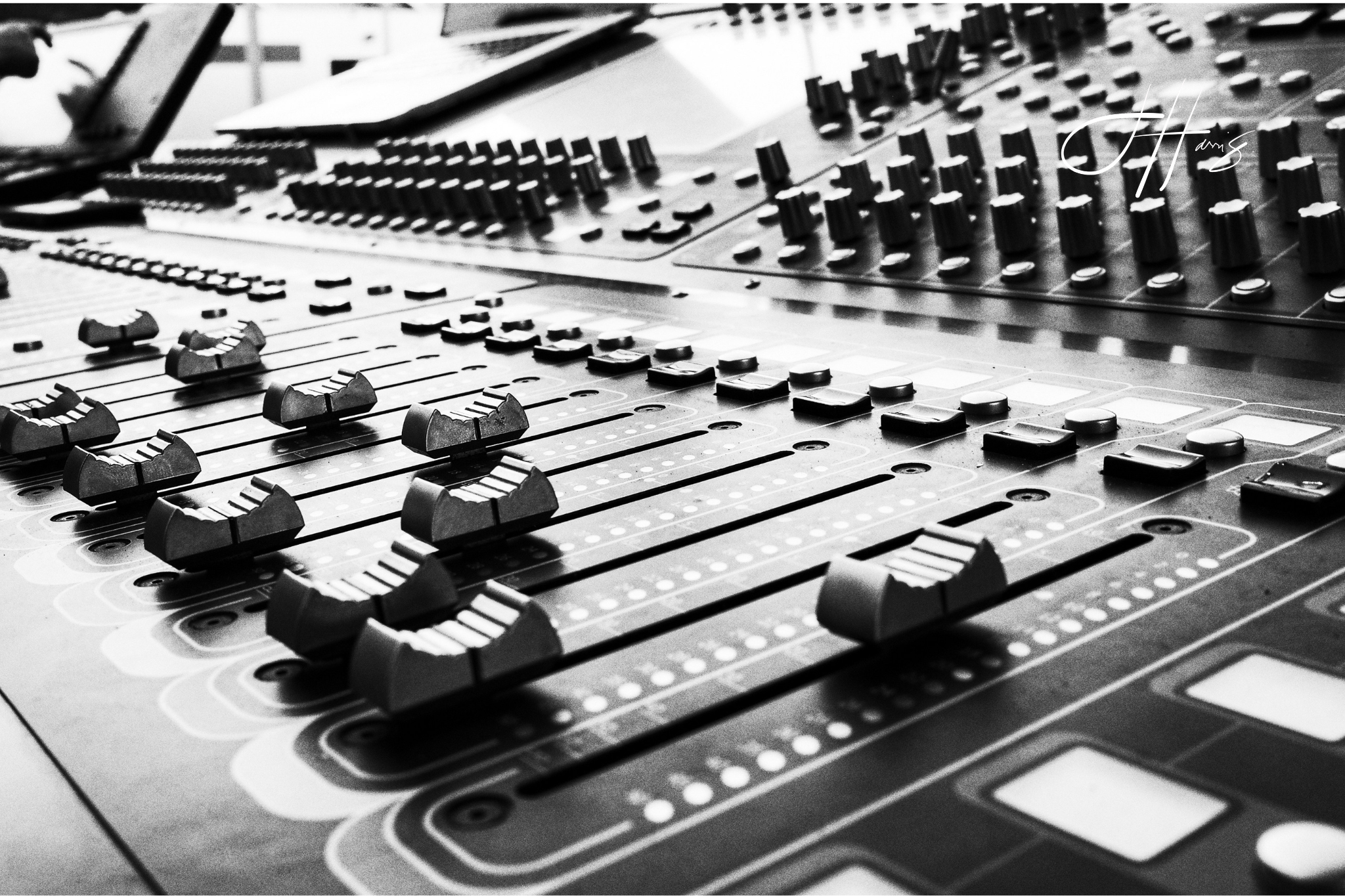
Across VOL II KURATA, his arrangements keep intros short, pre‑choruses tight, and choruses arriving early, with the guitar either locking into rhythm for drive or stepping forward with hooks that mirror or answer the vocal.
Rather than dense, show‑off solos, James favours memorable motifs—riffs you can hum after one listen—so the guitar feels like a second singer arguing, agreeing, or pushing back against the lyric.
5. Beyond KURATA
Teasers around this era frame KURATA as just one chapter in James’s role as “the guitar” in a larger story: future volumes keep the same principle—lyrics by the writer, worlds by Pat, and James as the one who turns those into playable, repeatable songs.
The through‑line is constant: whatever the theme, his job is to make sure the track lives on its musical merit alone—groove, chords, riffs—so that even if you never learn the backstory, it still hits as a great song.