

VOL II: KURATA as a Story-Driven Album for People Who Do Not Usually Like Story-Driven Albums
There are two kinds of listeners walking around right now.

The first lives in the playlist era without complaint. They stack moods and micro-genres in twenty-song bursts, treat albums like archives to be mined for singles, and rarely sit with one artist long enough to feel like they know them as a human being. The second group is uneasy about what they’ve lost. They remember records that felt like worlds. They miss the feeling of dropping a needle, or hitting play, and giving one story their full attention.
VOL II: KURATA is a record built for that second listener, but with a twist: it’s a story-driven album designed specifically for people who don’t usually like story-driven albums.
It doesn’t behave like a rock opera or a concept record that demands a syllabus. Instead, it behaves like what it actually is: the natural extension of how a cultural house tells stories when you give it twelve tracks and a blank timeline.
That house is Hinabi Privé.
The Haus That Thinks in ARCS
To understand why KURATA feels different, you have to understand the ecosystem it comes from.
Hinabi Privé calls itself a cultural haus, but that undersells how aggressively it treats story as a core utility, not an add-on. In its Manila ARCS — capital letters, by design — it weaves narrative through everything: food, cocktails, music, lighting, pacing, even the behavioural science of how people move through a room. Each ARC is built around a theme: heritage, origins, love, belonging, futures. Each one is a contained emotional journey, with a beginning, middle, and end that you feel in your body as much as you follow in your head.

“The reason why they are called ARCS is because they narrate a specific arc,” says Pat Villaceran, founder and world-builder of Hinabi Privé, and co-composer and lyricist for the entire album. “Sometimes it’s a heritage story. Sometimes it’s a love story. Sometimes it’s something else. We write through stories because I believe that’s the best way to connect people together.”
At Hinabi, one-off moments are rare. Almost everything is designed in sequences. Cocktails shift with the emotional temperature of the night. Musical choices are threaded carefully so that a single guitar phrase in the first hour can make a chorus feel like fate three hours later. People don’t just attend an ARC; they move through one.
So when the haus decided to build an album, it was never going to be a random collection of tracks. It was going to be an ARC you could carry home.
Pat vs. the One-Song Era
On paper, “story-driven album” sounds like the kind of thing that scares casual listeners away: a project that expects you to take notes, remember motifs, and pay attention the whole way through. Pat is one of the people who should be most sympathetic to that skepticism. She’s spent plenty of time watching audiences bounce off well-meaning concept records that feel more like homework than music.
But she also grew up in a different listening culture.
“I didn’t grow up in this playlist-building era,” she says. “Of course, I see how powerful playlists are. You get to discover new songs you might never find otherwise. You follow a theme or a vibe and you go wherever it takes you. That’s beautiful.”
Then she draws the line.
“But I learned to love music through albums,” she continues. “Records allowed me to really discover and understand the artists themselves. To get an insight into how I resonated with them as human beings, not just as voices on a track. That’s what I miss when everything is just singles. You lose the story of a person.”

KURATA is her response. “It’s not that the ideal listener is some special kind of person,” she says. “It’s literally anyone who wants to get back to that — to the feeling of sitting with a record and letting it show you who made it.”
She’s acutely aware that, for a lot of people, “story-driven” is a red flag. The way she sees it, that’s on the industry, not the listener.
“Sometimes the way we talk about narrative albums makes them sound like a chore,” she says. “Like you’re signing up for a course, not putting on music. We wanted to build something that carried a full story, but still invited you to jam.”
A Cinematic Pop Rock World, Not a Rock Opera
VOL II: KURATA is divided into three ARCS — three emotional movements that map directly onto the kinds of stories Hinabi tells in its physical spaces.
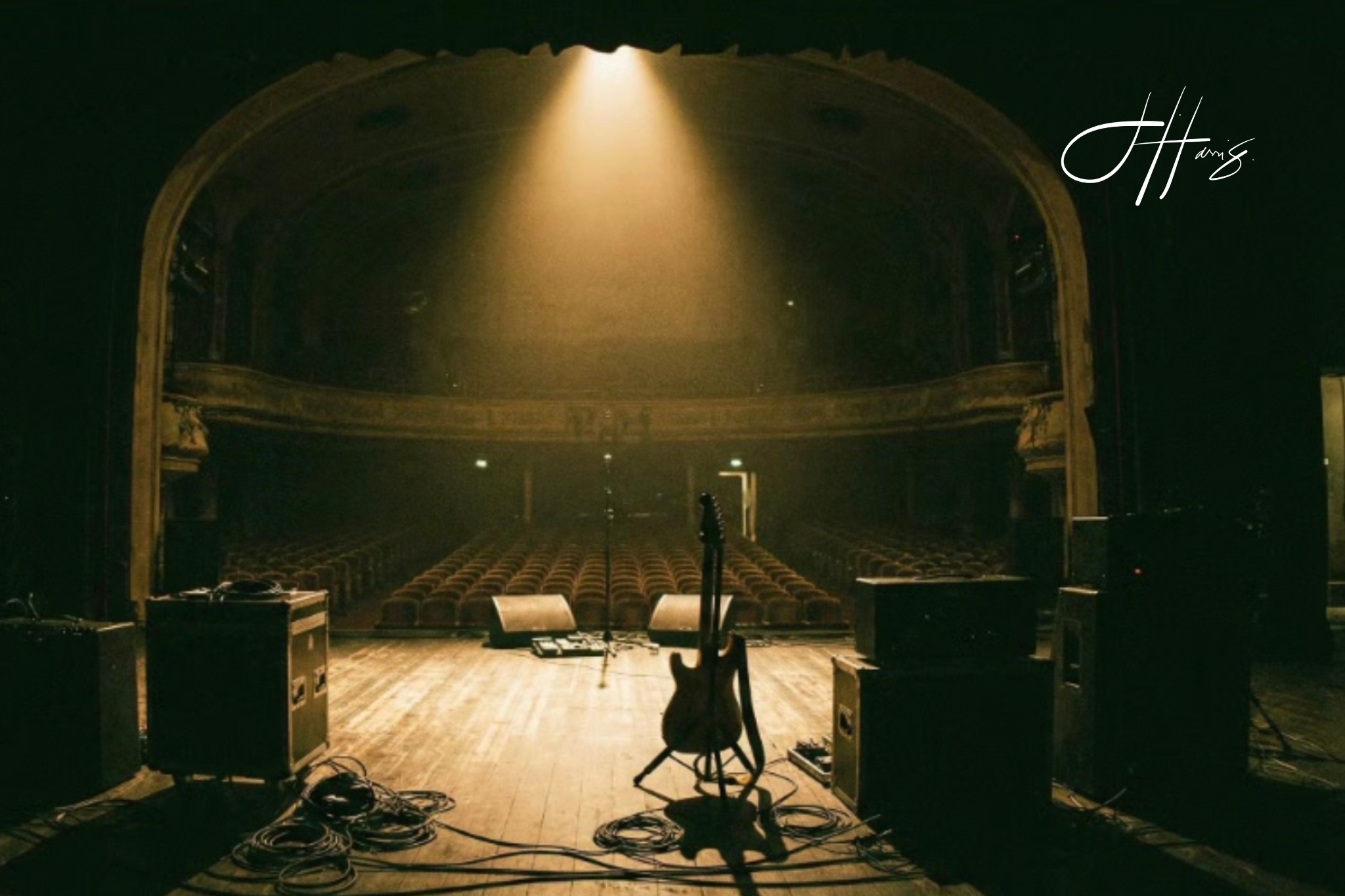
The first arc starts where so many human stories do: heartache and heartbreak. Not the explosive, dramatic kind, but the quiet recognition that something has cracked and cannot be un-cracked. The songs here move with that tension. They’re full of what Pat calls “the first understanding of where things went wrong,” the beginning of the long look inward.
The second arc lives in the rebuilding. These are the tracks that carry the strength of stitching your own heart back together, not as a triumphant montage, but as a slow, sometimes messy process. The instrumentation often feels a little bolder here — drums that stand taller, guitar parts that sound like they’ve decided to take up space again. It’s the sound of someone learning that survival and self-respect are not the same thing, and trying to aim for the latter.
The third arc is where the record gets unexpectedly gentle. This is the rediscovery of love in a more generous light — the place where you realise that being broken open didn’t ruin you, it simply made you available. The songs in this section feel like late-afternoon light: softer, but no less intense. There’s an almost scandalous optimism here, the sense that maybe, after everything, you’re still capable of loving and being loved without losing yourself.
On a spreadsheet, that’s textbook concept-album territory. In your ears, it isn’t.
One complicating factor is that VOL II: KURATA is restless. Within those three arcs, the record keeps sliding between textures and micro-genres. “We move from rock ballad to alternative pop rock to cinematic pop rock,” Pat explains. “There are pop songs that stand on their own, more mellow songs, and heavier ones. We call it a cinematic pop rock album because that’s the most truthful umbrella for the whole piece.”
The shifts aren’t academic exercises; they’re character development. When a track leans harder into rock, it’s usually because the story needs to shout. When it goes more pop, it’s because melody and immediacy are the only honest responses. The cinematic moments aren’t there to sound expensive. They’re there because the emotions are big.
Story-driven, yes. But never at the expense of the body-level joy of hearing a song slam into you at the right moment.
KURATA: The Song That Turns the Key
Every world needs a doorway. On VOL II: KURATA, that doorway is the title track.
KURATA is the song that turns the key. It quietly establishes the laws of the universe this album is going to live by: this is a world where love is allowed to be both wound and compass, where heartbreak is a portal rather than a dead end, and where guitars don’t have to be “edgy” to feel dangerous.

James Harris, the guitarist-composer at the project’s sonic core, lays out the thesis. His guitars behave less like riffs and more like brushstrokes, each line painting a small corner of the emotional canvas. Synths and piano create a kind of atmospheric hush around them, and the rhythm bed suggests forward motion without shoving you. KURATA doesn’t arrive like an intro sketch. It steps in like the first frame of a film that already knows where it’s going.
Over that, the story work begins. Pat starts threading the narrative spine through the mix. KURATA, the song, is an invitation into the three arcs that follow: the first tremors of heartache, the slow, deliberate work of rebuilding, and the startling gentleness of rediscovering love. Even if you don’t arrive caring about narrative, you can feel the structure humming under your feet.
Crucially, it never feels like homework. The storytelling is there if you want to lean in — the metaphors, the emotional turns, the lines that only click on a second or third listen. But on the first pass, it’s a jam: a cinematic pop rock piece that feels like an original soundtrack cut for a show you haven’t seen yet but somehow recognise.
In that sense, KURATA borrows a trick from Hinabi’s ARCS. In the live experiences, a single course or cocktail can carry the mood of an entire night in miniature. This song does the same, behaving like a compressed ARC: four minutes that imply a much bigger map beyond their edges.
By the time KURATA’s last note fades, you understand what this world expects of you: listen in order, let the arcs move you, and trust that the story will meet you where you are.
For People Who Don’t Like Story Albums, Start Here
If you’re the kind of listener whose eyes glaze over when someone says “concept record,” KURATA is not the only on-ramp.
Pat is very clear that VOL II was built with non–story-album people in mind. The album has multiple pressure points designed to convert skeptics — songs that work instantly on a visceral level, even if you never read a lyric sheet or think about arc structures.

At the top of that list is “DRAMA,” the first single.
“DRAMA” is the song that grabs you by the collar. It’s a rock-forward cut with a pop brain, the kind of track that would feel at home in the middle of a festival set or over the closing scene of a prestige drama. It proves that KURATA understands the importance of immediacy; it doesn’t make you wade through a prologue to get to the good part. For a listener who doesn’t care (yet) about the story, “DRAMA” is the reassurance that this record can hit in the chest as hard as it does in the head.
Then there’s “RENEGADE,” the rock ballad.
If “DRAMA” is the shock to the system, “RENEGADE” is the slow bruise. It leans into dynamics: quiet verses that feel like someone talking to themselves in a darkened room, choruses that open up into something big enough to carry a whole room with them. It showcases James Harris’s ability to let the guitar speak without swallowing the song, and Pat’s instinct for turning raw introspection into something singable. For non–story people, it delivers a classic pleasure: the big emotional ballad you can yell in the car at 1 a.m.
“LUNA” rounds out the trifecta — a rock single that scratches the “I just want to feel something loud” itch without collapsing into noise. It’s melodic, driving, and structurally tight, the kind of track that would slot into a rock playlist seamlessly. Hearing it in context, though, you realise it’s doing double duty: serving the narrative arc while functioning as a standalone banger.
“Ultimately, we want people to jam,” Pat says, laughing. “We want them to imagine. A lot of the feedback we’ve gotten is that every song feels like it could be an OST for a movie or a show. That’s really fun. If you’re not a ‘story album’ person, that’s totally fine — just tell us what scene in your life or what film you think each track belongs to.”
She mentions “BUTTERFLIES” — always written in all caps — as an example. “People tell us it feels like a James Bond OST,” she says. “Then ‘WOLFIE,’ in the third arc, they say sounds like a Disney movie theme. Those kinds of reactions tell me we hit the right balance. The songs carry story, but they also live as their own little films.
Love in Three Movements
Strip away the genre tags, and what KURATA is really doing is something very old-fashioned: using love to tell the truth about a person.
“We wanted people to understand that this is a whole story,” Pat says. “The placement of the songs has its own flow. It starts with heartache and heartbreak. The middle is about the strength of rebuilding your own heart in that scenario. And then, hopefully, you rediscover love in a more positive light afterwards.”
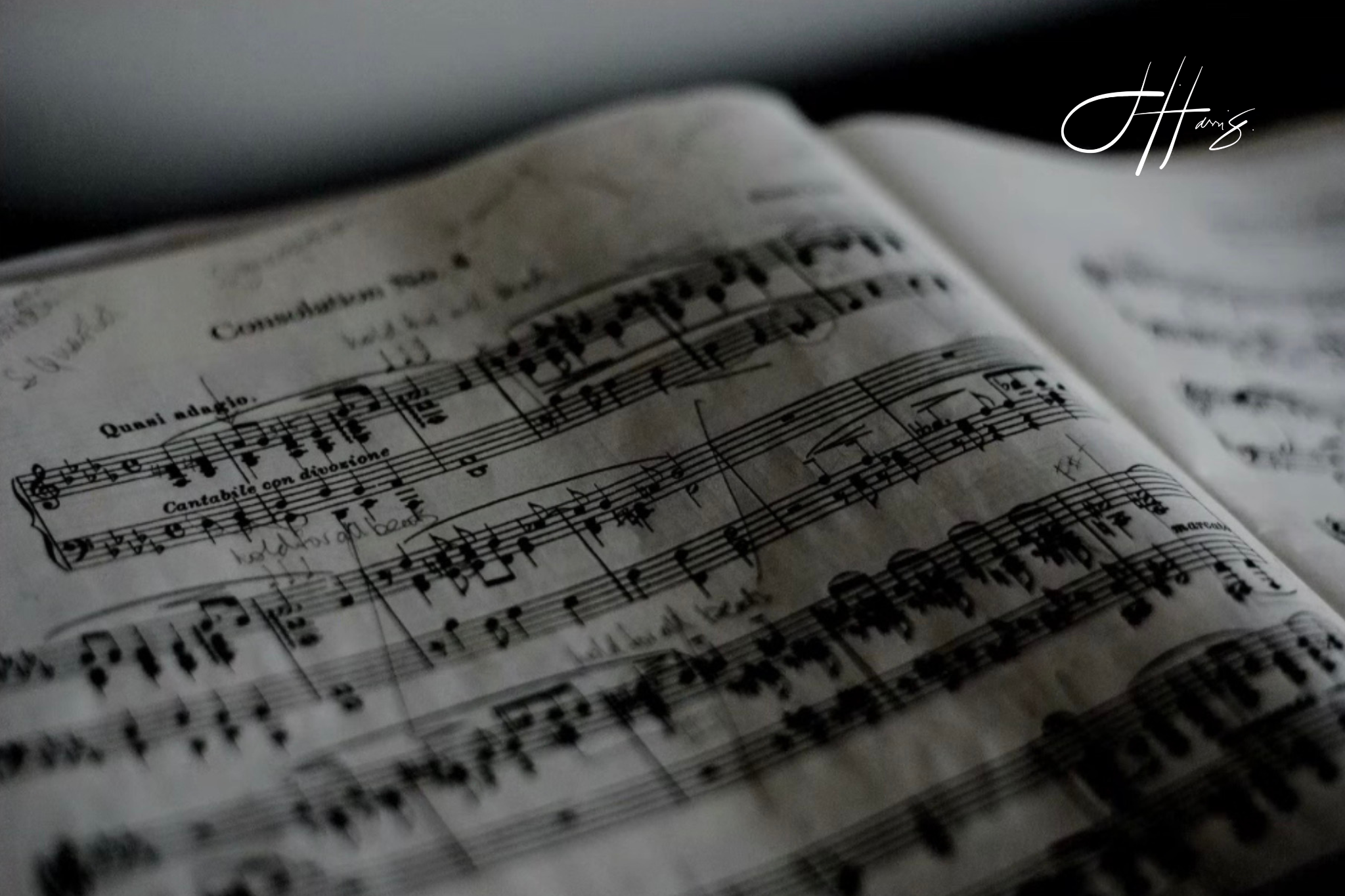
The first arc doesn’t moralise. It doesn’t rush to promise growth. It sits with the sting. The production is layered but not crowded, giving you just enough room to hear your own history in between lines. It’s the sound of replaying conversations and seeing, for the first time, where you misheard yourself.
The second arc is more muscular. Rebuilding here isn’t framed as a glow-up montage; it’s work. Some songs feel like the first time you put on clothes that actually fit you after months of shrinking yourself. Others feel like the moment you admit to a friend that you’re not okay, but you’re finally doing something about it. The guitars get a little braver. The drums feel more grounded. The melodies start carrying defiance as well as pain.
By the time you reach the third arc, the record could have easily pivoted into cynicism — a “never again” stance wrapped in clever bars. Instead, it makes a more vulnerable choice. These songs imagine love after ruin as a gentler, wiser thing. There is no promise that you’ll avoid future heartbreak. There is an insistence that you don’t have to be afraid of it.
That’s the quiet, radical thing about VOL II: KURATA. Its story is not “I loved and got destroyed and now I trust no one.” Its story is “I loved, I broke, I rebuilt, and I still choose love, knowing exactly what it costs.”
A Collaboration That Sounds Like Respect
Underneath the narrative, the record is a case study in a very specific kind of collaboration: one built on deference as much as skill.

“The elements are deeply rooted in James Harris’s sound,” Pat says. “The way he integrates synths and piano and guitar — it’s very beautiful. I only get to build from there. I only get to begin a song from where he stands.”
The process is mostly remote: WhatsApp messages, Google Drive folders, DAW sessions traded like letters. There’s something quietly romantic about that in itself — two people building a world together through tools usually associated with disposable content.
“What we appreciate from each other as musicians is that we respect each other’s lanes,” she adds. “I know where his genius lies. He knows where mine does. That respect is what makes the whole thing feel cohesive.”
You can hear it in the finished tracks. The guitar never feels like it’s fighting the vocal. The production never feels like it’s trying to show off at the expense of the lyric. There is ego here — you don’t make a record this ambitious without it — but it’s sublimated into the service of the story.
A World, Not Just an Album
In the end, what makes VOL II: KURATA such an intriguing proposition for people who don’t usually like story-driven albums is that the album isn’t asking you to care about story in the abstract. It’s inviting you into a world that already exists.

Hinabi’s ARCS provide the physical rooms. JHARRISGEAR, the haus’s apparel arm, outfits the characters in those rooms with tees and jackets that behave less like merch and more like instruments — clothes built to move under stage light, absorb sweat, and return night after night without losing their shape. KURATA provides the soundtrack, a three-act love story that doesn’t need you to take notes to do its work.
If you only want to drop in for “DRAMA,” “RENEGADE,” or “LUNA” and scream along, the record will meet you there. If you want to sit with all three ARCS, track by track, and let the narrative arc catch up with you, it will meet you there too.
VOL II: KURATA is, in that sense, a very gentle provocation. It looks at a listening culture that has grown suspicious of commitment and says: what if you gave one story forty-five minutes again? What if the story gave something back?
For people who don’t usually like story-driven albums, that isn’t a demand. It’s an invitation.
